
Expert Advice, Rooflight, Style
How to Choose a Rooflight
Sep
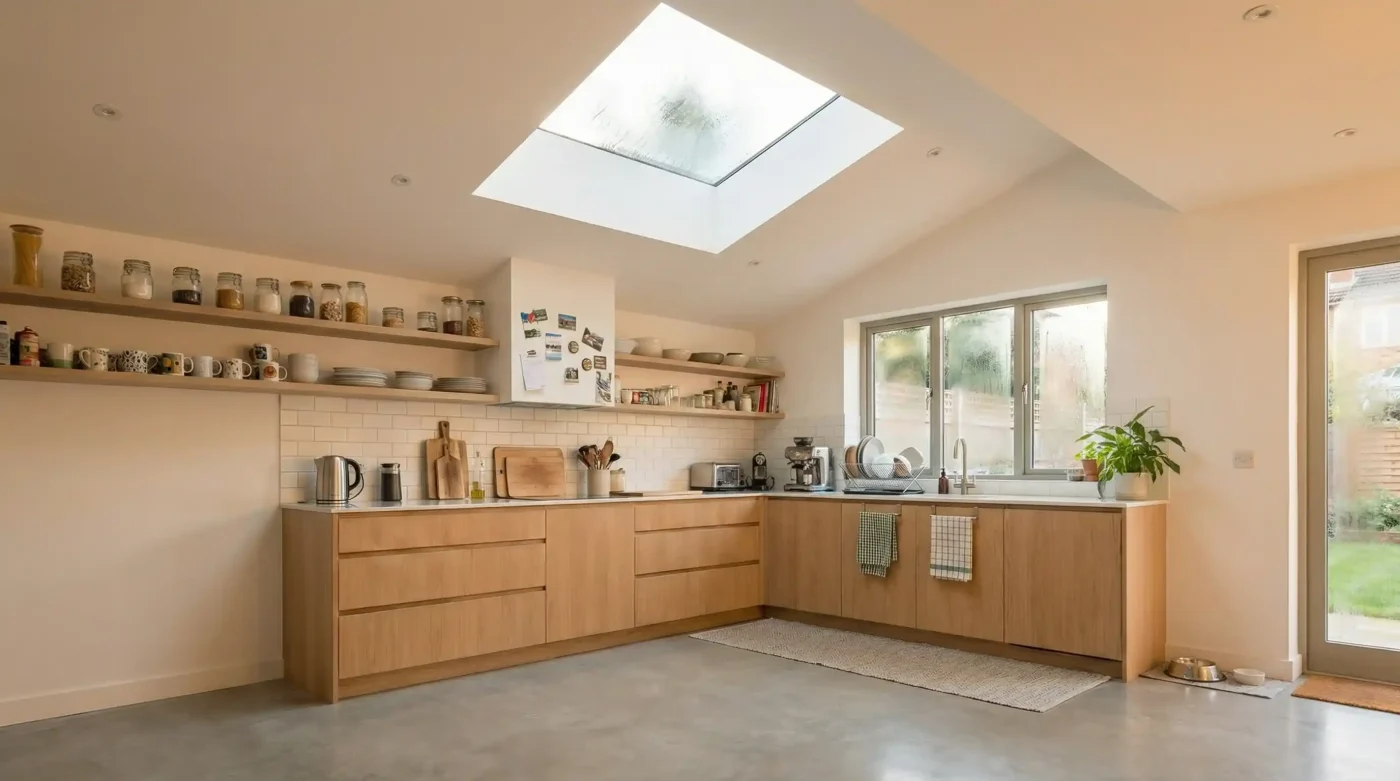
A rooflight can transform an extension, a dark kitchen or a living space, but choosing the right one involves more than picking a size and style. From roof type and frame material to ventilation, opening options and thermal performance, there are several details to consider before you order.
If you are wondering how to choose a rooflight for a home renovation, it’s best to start with what you want it to achieve. The right choice should suit the room and provide the performance you need for years to come.
What Is the Best Way to Select the Perfect Rooflight?
The best way to choose a rooflight is to work backwards from your room and renovation plans. Think about where it will sit, how much daylight you want and whether you need it to open.
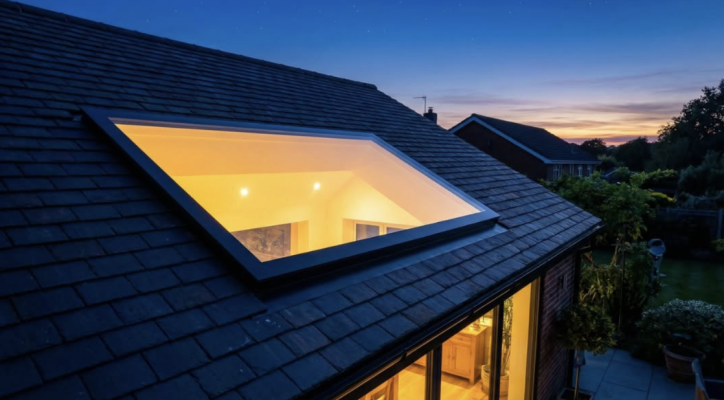
A flat roof usually requires a suitable kerb or upstand to create the necessary angle for successful drainage. A flat rooflight with an upstand can provide a straightforward solution where a raised installation is required. If your property has a pitched roof, you will need a unit designed for its angle and construction.
The room’s proportions are very important in these considerations. A long, narrow rooflight can work well over a kitchen island or dining table, while a larger square or rectangular unit may suit an open-plan extension. HITECH offers 24 standard stock sizes, with custom designs available when a standard option does not suit your project.
It’s also worth comparing the actual glass opening rather than relying on external measurements. Measuring rooflights by their internal glass size helps homeowners understand the clear opening and compare products accurately. You can check the sizes of rooflight products against your structural opening and any manufacturers’ technical drawings before ordering.
When considering how to choose a rooflight, remember that bigger is not always better. Think about how the rooflight will look from inside the room and how much glazing the space already has.
Do You Need Light, Ventilation or Roof Access?
Natural light is often the main reason homeowners add a rooflight, but your room’s use should help determine whether you need a fixed unit or one that opens.
Natural Light
In a living room or dining area, you may simply want to maximise daylight without adding an opening mechanism. Consider the rooflight’s position carefully and think about how the light will move through the room throughout the day.
Ventilation
For a kitchen, bathroom or utility room, ventilation can be just as important as daylight. An opening rooflight can help release warm, humid air and improve airflow, making it a useful addition to spaces where condensation can be an issue.
Solar Control and Privacy
The position of your rooflight can affect how much direct sunlight enters the room. A unit above a seating area or dining space may benefit from solar control to help prevent glare or overheating at certain times of day. An integral blind can give you greater control over light and privacy without requiring a separate blind beneath the glass. This can also create a cleaner finish from inside the room.
Thermal and Acoustic Performance
The glazing specification is another important consideration when deciding how to choose a rooflight. If you are concerned about your rooflight being noisy during rain, look at the glazing and overall construction rather than choosing based on appearance alone. Triple glazing can provide strong thermal and acoustic performance while helping the room to remain comfortable throughout the year.
Practical Requirements
Think about how you will use the rooflight before choosing an opening system. If ventilation is unlikely to be needed, a fixed unit could be the simplest option. If the rooflight is high up, an electric opening system may offer greater convenience than a manual one.
For homeowners considering how to choose a rooflight, focusing on the needs of the room first often makes it easier to select features that will be useful rather than adding unnecessary complexity.
Should You Choose Aluminium or PVC Frames?
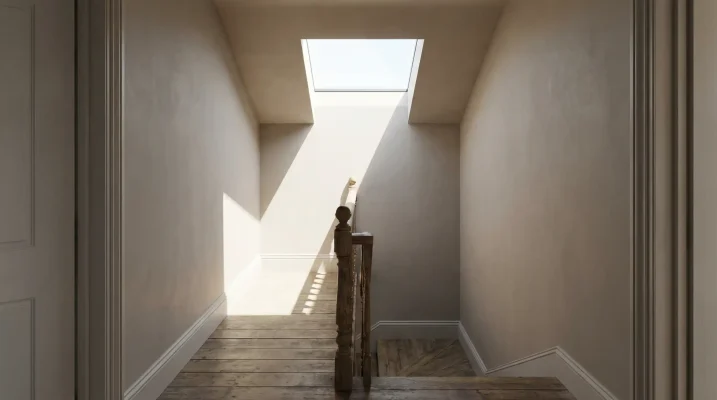
Frame material affects appearance and performance. Aluminium is a popular choice for contemporary homes because it offers a slim, clean profile and strong construction. A thermally broken aluminium frame can also help reduce heat transfer through the frame.
PVC can suit certain projects and may appeal if you want a familiar window-style finish. However, the frame should always be considered alongside the glass, seals, overall design and finish.
When deciding how to choose a rooflight, look at the complete specification, including glazing, U-value, safety glass, weather sealing and maintenance requirements.
HITECH rooflights use triple glazing with argon-filled cavities and Low-E glass to support thermal performance. They also feature an EnduroShield easy-clean coating, helping reduce the effort required to keep the glass clear.
Is a Fixed, Manual or Electric Opening Best for Your Space?
The best opening option depends on whether you need ventilation and how accessible the rooflight is. This comparison table makes it easier to see which option could best suit your renovation.
| Rooflight Type | Best For | Main Benefits | Things to Consider |
|---|---|---|---|
| Fixed |
Rooms where daylight is the main priority |
Simple design, no opening mechanism and minimal maintenance |
Does not provide ventilation |
| Blind |
Controlling glare, privacy and daylight in living spaces |
Better light control and increased privacy |
Integrated or separate blind – integrated blinds keep the blind system within the rooflight itself for a neat finish |
| Manual Opening |
Rooflights within easy reach |
Provides ventilation without electrical controls and is straightforward to operate |
May be difficult to reach if installed high up |
| Electric Opening |
High or difficult to reach rooflights |
Convenient remote operation and easy ventilation control |
Higher cost and requires an electrical connection |
When considering how to choose a rooflight, think about how you will use the room every day, rather than simply choosing the most advanced or technical option.
What Do Homeowners Need to Check?
Before ordering a rooflight, it’s best to check the following:
- Roof type and pitch: Confirm that the rooflight suits your roof construction and that the required pitch and kerb details can be achieved. Flat rooflights and rooflights for pitched roofs are available.
- Opening size: Check the structural opening against the manufacturer’s dimensions and technical drawings.
- Glazing: Look for suitable safety glass, thermal performance and, where relevant, acoustic performance.
- Ventilation: Decide whether a fixed unit is enough or whether an opening rooflight would be useful.
- Solar control: Consider the room’s orientation and whether an integral blind could help manage glare and heat.
- Building regulations: Your project may have specific requirements relating to thermal performance and Part L compliance. Enquire with HITECH about your specific requirements before ordering.
- Installation: Make sure your installer has the correct technical information and fitting guidance before work begins.
Planning ahead makes installing rooflights much easier and quicker. HITECH provides fitting instructions and technical drawings, while its Rapid Kerb system is designed to simplify installation.
If you are still unsure how to choose a rooflight, HITECH Rooflights can help you work through the options. As a specialist rooflight window company, HITECH offers advice as well as products, with trade support also available. You can order directly online with free delivery or collect in as little as one hour.
Not sure which rooflight is right for your project? Contact us on 01733 590315 or email info@hitechrooflights.co.uk and our friendly team will be happy to discuss your requirements. We can recommend options from the standard range or provide a bespoke quote where needed.
FAQs
There is no single best direction. Orientation affects sunlight and heat, so consider the room’s use, existing glazing and whether you need solar control.
Yes, particularly in rooms with large areas of glazing. At HITECH Rooflights, we offer an integrated blind option, built into the rooflight for a streamlined finish without the need for a separate blind system. It can help reduce glare, control daylight and improve privacy as well as reducing the need to dust or clean. Explore our integrated rooflight blinds to see the available options.
Direct sunlight can contribute to fading of materials over time. Solar control measures such as blinds can help protect furnishings, flooring and other interior finishes.
Yes. A kitchen rooflight above an island can provide useful daylight where it is needed most. Its position should also be considered alongside ceiling structure, services, extraction and lighting.
Choose a rooflight with an easy-clean glass coating and follow the manufacturer’s maintenance instructions. For units that are difficult to reach, plan access before installation.
Often, yes, but it depends on the existing opening, kerb and replacement unit. A professional should check dimensions and compatibility before ordering.
